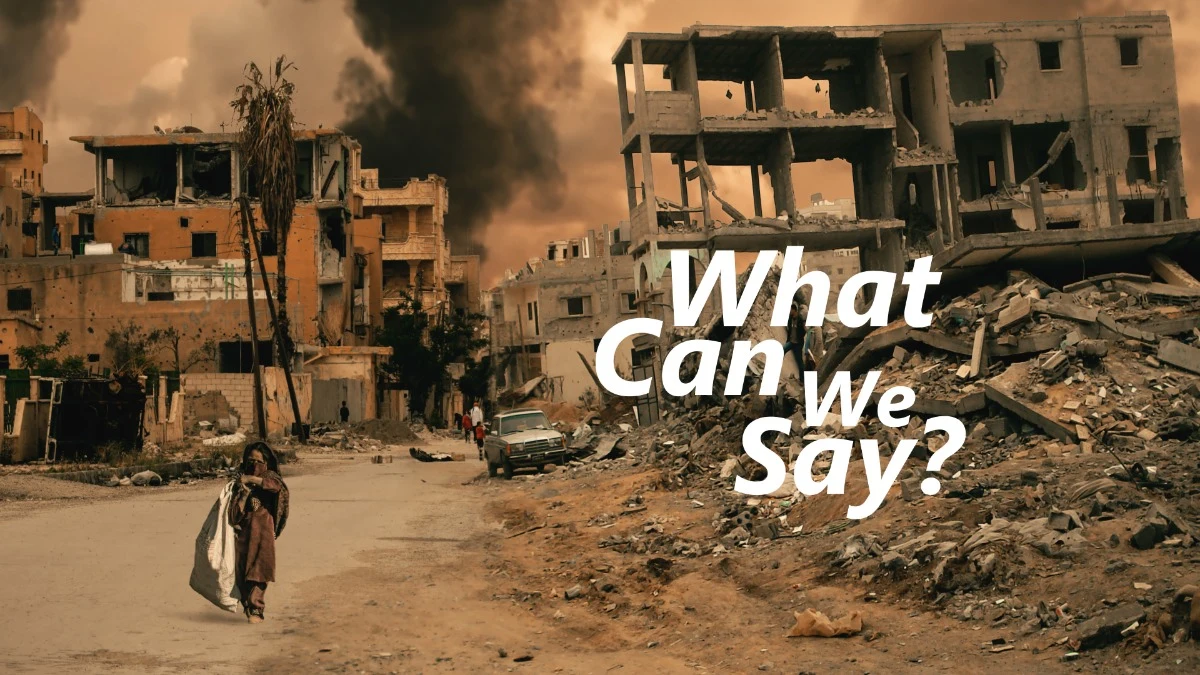
First a quote: “ I hate war as only a soldier who has lived it can, only as one who has seen its brutality, its stupidity. ” – Dwight D. Eisenhower
Hello and happy Monday.
Two weeks ago, in the missive MMM, “Life is Like a Camera,” I asked the rhetorical question, “Is there evil in the world?” I then answered my own question with, “Certainly, there is!” Little did I know that Hamas would attack Israel on the very morning I was penning those words.
I have had a lot of sleeplessness since… including last night, as I contemplated this week’s subject matter… another major war, in yet another part of the world.
As I tossed and turned last night, my mind seemed to spin endlessly as I pondered dozens of questions including:
-
How can I help? How can I be a force for good in my sphere of influence?
-
Is it my place to offer my thoughts on this topic? On this platform?
-
Should I play it safe? Should I avoid emotionally charged topics like war, (a conflict, as it is being described by the media)?
-
Should I discuss this topic with my adult children? My friends? My business associates and fellow colleagues?
-
What insights can I offer? I have very little expertise, experience, or training in this field.
-
What would, or should, business leaders say, or do, during troubled times?
-
What role should we play during highly charged, and often controversial world events?
I suspect I’m not the only business leader asking themselves similar questions, or suffering from restless nights as we contemplate if, and how, we address these topics in the workplace.
Claiming no profound wisdom, I offer the following thoughts for your consideration.
As business leaders, it’s essential to recognize that our roles extend beyond the boardroom, office, or factory floor. In today’s interconnected world, addressing sensitive and complex issues such as the Israel-Gaza or Ukraine-Russia wars are becoming increasingly important.
While this topic is fraught with emotion and differing perspectives, there are ways for business leaders to engage in constructive conversations without alienating stakeholders or compromising their values.
As business leaders, it’s essential to recognize that our roles extend beyond the boardroom, office, or factory floor.
-
Educate Yourself – Before discussing any complex issue, it’s crucial to be well-informed. Take the time to research and understand the historical context, political complexities, and human impact of the Israel-Gaza conflict or other controversial topics. This knowledge will help you speak more confidently and accurately.
-
Avoid Taking Sides – One of the most important principles when discussing a contentious issue like this is to remain neutral. Acknowledge the complexity and the immense suffering on both sides of the conflict. Avoid taking a definitive position that could polarize your audience.
-
Encourage Open Dialogue – Create a safe space within your organization where employees feel comfortable discussing difficult topics. Encourage open dialogue by actively listening to their perspectives and concerns. Let them know their voices are valued.
-
Focus on the Humanitarian Aspect – Emphasize the humanitarian side of the conflict. Share stories and statistics that highlight the impact on innocent civilians, particularly children and families. This approach can help humanize the situation and foster empathy.
-
Promote Diversity and Inclusion – Ensure your organization fosters a culture of diversity and inclusion. Encourage employees to share their backgrounds and experiences, as these can provide valuable perspectives and insight into the issues of the day.
-
Be Mindful of Your Words – Words matter. When discussing sensitive issues, be cautious with your language to avoid inadvertently causing offense or misunderstanding. Use terms that are neutral and respectful.
-
Leverage Philanthropy and Corporate Social Responsibility – If your organization is in a position to do so, consider engaging in philanthropic activities that provide aid or support to those affected by the conflict. Such initiatives can demonstrate your commitment to making a positive impact.
-
Seek Expert Guidance – If your organization needs to take an official stance or make decisions related to the Israel-Gaza conflict (or other emotionally charged topics), consider seeking expert advice from academics, diplomats, or specialists in the field. This can help you make informed and balanced choices.
-
Encourage Empathy – Finally, lead by example and encourage empathy within your organization. Show your team the importance of understanding different perspectives and the value of compassionate communication.
Please know I will always welcome your experience, expertise, insights, and contributions. I welcome helpful and thought-provoking dialogue.
Give your family and loved ones an extra firm hug this week. I suspect we could all use a hug… I know I could.
Sincerely,
Bryan Yager
“Expanding Your Capacity for Success”
Bonus Quotes Below.
Do you know someone who might benefit from this weekly leadership minute? If so, please feel free to pass along the subscription link below:
-
On LinkedIn: Click here to subscribe to the MMM newsletter on LinkedIn.(Recommended)
-
Via email: Click here to subscribe to MMM and have it sent directly to your email inbox each Monday. (Please note: I plan to discontinue this service later this fall. If you’re on LinkedIn, I recommend subscribing with link above.)
Bonus Quotes:
-
“War may sometimes be a necessary evil. But no matter how necessary, it is always an evil, never a good. We will not learn how to live together in peace by killing each other’s children.” – Jimmy Carter
-
“There never was a good war, or a bad peace.” – Benjamin Franklin
-
“History teaches that wars begin when governments believe the price of aggression is cheap.” – Ronald Reagan
-
“All war represents a failure of diplomacy.” – Tony Benn
-
“War is only a cowardly escape from the problems of peace.” – Thomas Mann
-
“A mind at peace does not engender wars.” – Sophocles